A Journey Through Time: Decorative Household Décor Across the Ages

Homes are more than just shelters. They are living reflections of their occupants' identities and tastes. Across time, decorative household décor has evolved to mirror society, technological advancements, and shifting aesthetic preferences. Let's embark on a journey through different periods, exploring how decorative household décor has evolved.
Victorian Era (1837-1901)
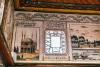
The Victorian era was known for its ornate and luxurious designs. Decorative household décor during this time was a symbol of status. Homes were laden with elaborate wallpapers, detailed woodwork, heavy draperies, and an array of trinkets and curios. Plush furniture and gilded mirrors were also common, adding a touch of opulence to homes.
Arts and Crafts Movement (1880-1910)
In reaction to the mechanization of the Victorian era, the Arts and Crafts movement returned to handcrafted, unique pieces. Decorative household décor focused on simplicity, functionality, and high-quality craftsmanship. Natural motifs were prevalent in designs, with homes featuring handcrafted wooden furniture, stained glass windows, and pottery.
Art Nouveau (1890-1910)
Art Nouveau introduced a new approach to decorative household décor. Emphasizing fluid lines, organic forms, and intricate details, the style was a tribute to nature. Glassware, particularly stained glass, ceramics, textiles, and metalwork dominated Art Nouveau homes.
Art Deco (1920s-1930s)
A stark contrast to its predecessor, Art Deco celebrated symmetry and geometrical patterns. Decorative household décor incorporated bold colors, sleek lines, and luxurious materials like chrome, glass, and lacquered wood. Accessories with zigzags, chevrons, and sunburst motifs were commonly seen.
Mid-Century Modern (1940s-1960s)
The Mid-Century Modern era introduced a fresh, minimalist approach to decorative household décor. Functionality reigned supreme, and designs were sleek, with clean lines and organic shapes. Materials like molded plastic, plywood, and polished metal were popular, along with bold, yet simple patterns.
Postmodernism (1970s-1990s)
Postmodern design rejected the strict rules of modernism and embraced diversity and experimentation in decorative household décor. The style was characterized by mixing different materials and styles, vibrant colors, and a playful approach to design. Decor items often had multiple purposes and whimsical elements.
Contemporary (21st Century)
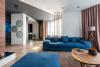
Today, decorative household décor is incredibly diverse, reflecting our globalized world. Sustainability is highly valued, with many opting for eco-friendly materials. Minimalist designs, open-concept living spaces, and a mix of textures are common trends. The emphasis is on creating comfortable, personal spaces that are both functional and aesthetically pleasing.
Conclusion
The evolution of decorative household décor is a fascinating journey, reflecting societal shifts and cultural changes. As we continue to advance and grow, it will be interesting to see what new styles and trends emerge, further enriching our homes and lives.
About the Author